
A Delay Is Still Part of the Chain
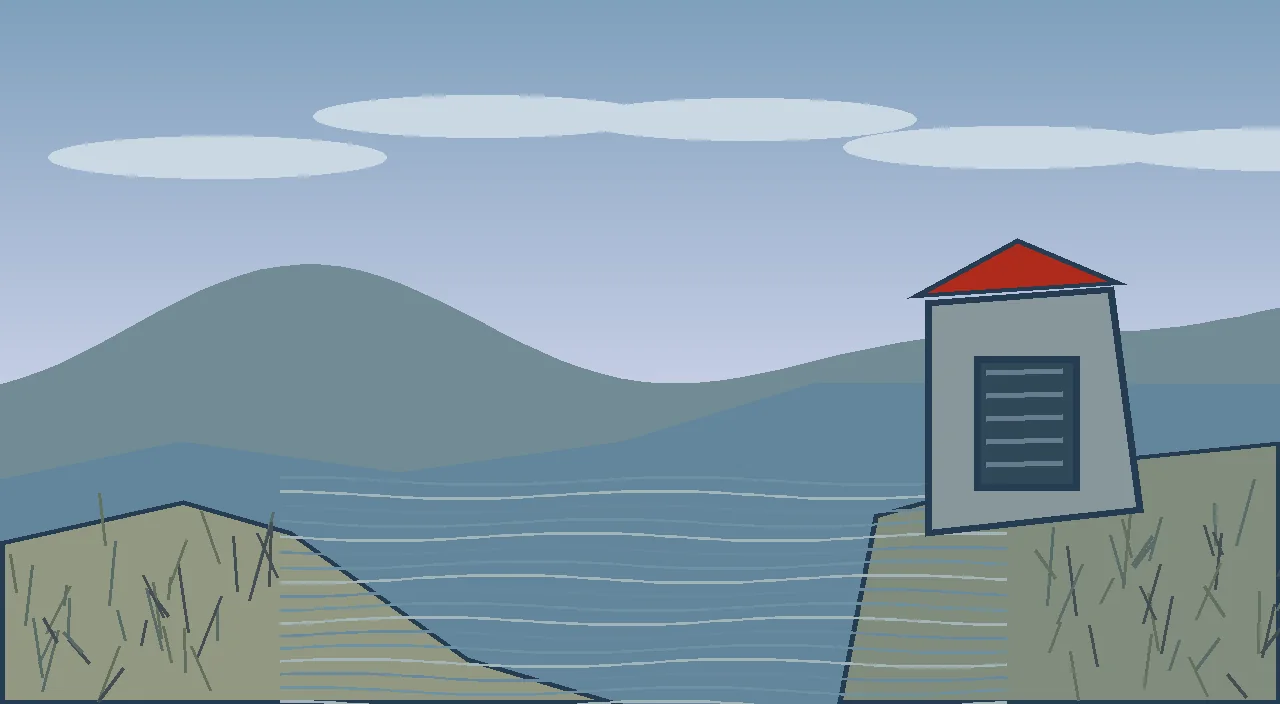
The bell has already moved to an earlier time. A small marker beside it now has a changed reading. The far gate still shows its old status. There is a virtual step left before the new notice can reach it. In the first report, the far row was blank. A test reader treated the blank as a final statement of no effect. We inserted a pending state that carried the exact destination and a reason to revisit it after the next move.
A received signal does not finish the chain
Use a short history with three places. The tower reports the cue that actually fired. The intermediate marker says what it received near the channel. The valley gate reports whether that change has arrived. During the delay, the marker can already be current while the farther row is pending. A distinct text line explains that one more virtual step is needed. The simulated quiet interval has its own controlled purpose. An illustration can show the front of the valley gate unchanged while the updated state is in transit.
In a second example the tower sets its original timing. The intermediate mark remains available. After the delay the farther condition can agree with the original. A result reading unchanged after processing means something different from no result yet. The report has enough room to show which state the game reached. A simple color change without text would be especially hard to interpret in the wide frame where both places lie under the same sky.
Give both ends a recognizable view
Keep the tower cap in the earlier picture above a short channel wall. A narrow section of water can identify the turn before the valley. The final gate has a pale upright panel and enough clear area for the pending message. Do not draw the path as though it already ended at the new point. The small caption can identify which stage has been confirmed. A later image can carry a better view of the changed marker without removing the original one from its report.
Some page visitors want just the end result and will use the chapter guide to find it. Put the actual selected cue near the far result too. If the status is still pending, the reader should know what is traveling from where. A paused figure can preserve the first step and its result separately. It does not need to keep showing the virtual bell with a motion effect. A brief word about its time helps retrieve the correct comparison.
Wait exactly one virtual turn and ask again
Open The Belated Bell. Give the initial cue a different time, then pause after the nearer marker updates. Ask a reader whether they already have enough information to describe the farther result. Let them advance and locate the next saved state. If they could not find the delayed condition before acting, put a readable pending line near the movement control. Then repeat the exercise with the ordinary time. The final status should distinguish a result that stayed the same from one the game had not yet evaluated.
Use a reduced-motion view and a phone view. A second panel can move beneath the first without losing its date-free step label. The result wording can appear beside the recorded virtual place. A visual indication of waiting stays active only until the simulator actually resolves it. After that it can report the last known gate state rather than hiding the selected cue. This comparison gives the studio an earlier and later proof it can keep when the next version changes the route.
Read Follow the Sensor Before the Storm for the intermediate marsh signal. A Tick at Finch Gate separates that reading from the later shutter. In the bell study the elapsed step itself is part of what the UI needs to preserve. The player can read the quiet interval as a known state, then trace its result back to the changed cue.