Chain Room
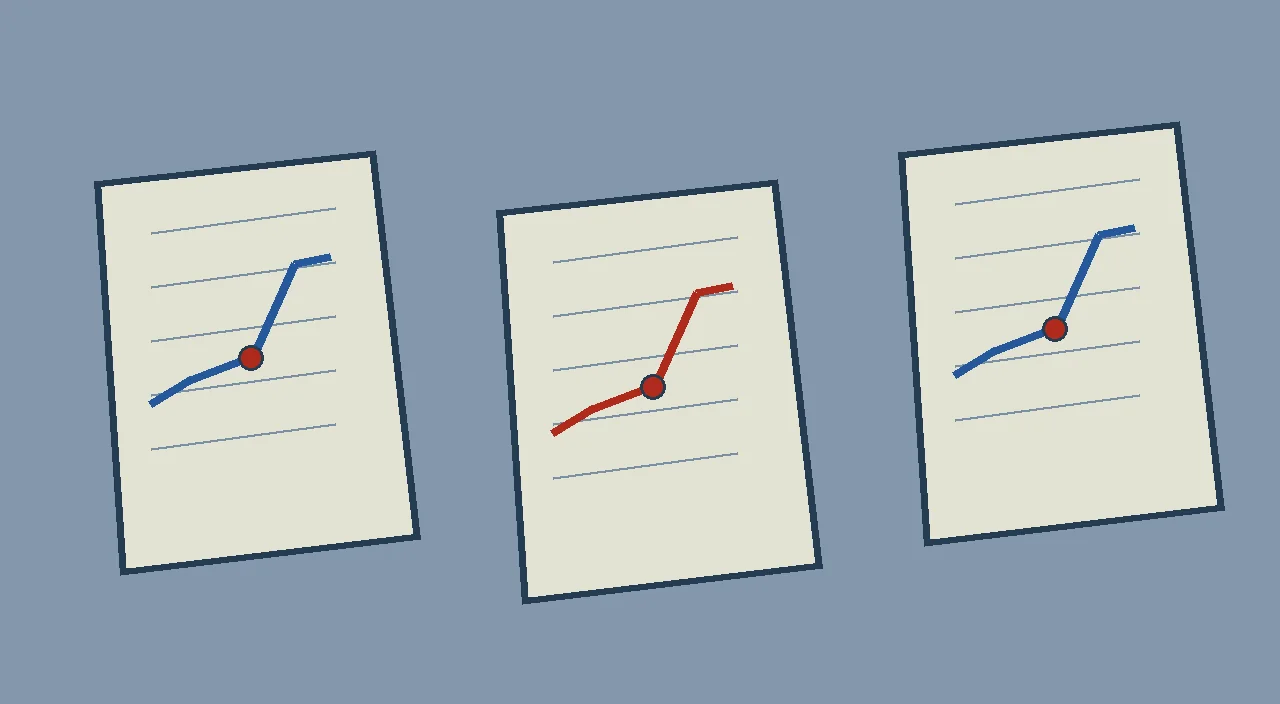
The chain room keeps a record of a small input and what it changed farther away. Our first picture tends to show an interesting distant result. The next one has to make its approach legible. We can draw a flag, a sensor and a shutter in separate views. Then we can identify which piece actually moved in a virtual turn and where somebody can inspect it. The studio does not use those drawings as predictions about real weather.
Assign a part of the question to each role
Rules design defines when an initial action changes an intermediate state and how long the next effect waits. It checks both a result that changes and an alternate one that stays fixed. Level design makes those stages reachable in a tiny model. Illustration gives the near and distant scenes recognizable positions with enough common context to connect them. It also checks that the artwork does not imply the game skipped a stage just because a more dramatic image sits between two reports.
Interface design turns the chain into chapters with a direct guide. A reader can choose one small link or read the whole proof downward. The game pages explain what each local train of events does. The end of a chapter offers a tiny exercise, and the folded update list links to its game and original note. A later report can compare one real change in the small fiction without rewriting another event in the same chain.
Keep the specific case in sight
The projects are in development. The next useful prototype can show a successful change to the final shutter and an unsuccessful one with an intermediate change. The difference can be written even before a wider game is built. A sequence that relies on a moving graphic can still have an ordinary static record. Check that it gives a viewer a way to return to the middle condition. The earlier explanation should remain available if an illustration later gains more detail.
If a label or rule is hard to read, identify the chapter, input and reported condition in a note. Public correspondence will point back to the example. We can examine that pair of illustrations without rebuilding the whole map. The first aim is to preserve a small action and the evidence connecting it to the virtual result a reader sees.