
Consequence Chapters
A Tick at Finch Gate
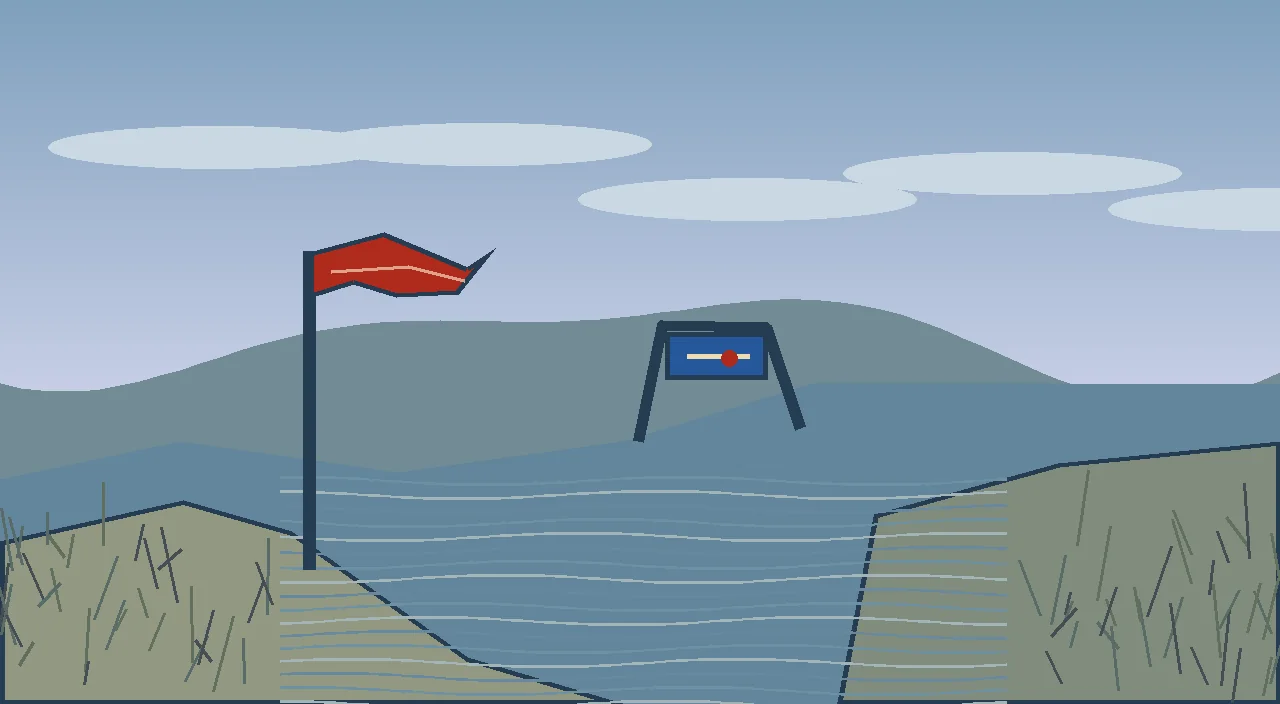
The Belated Bell
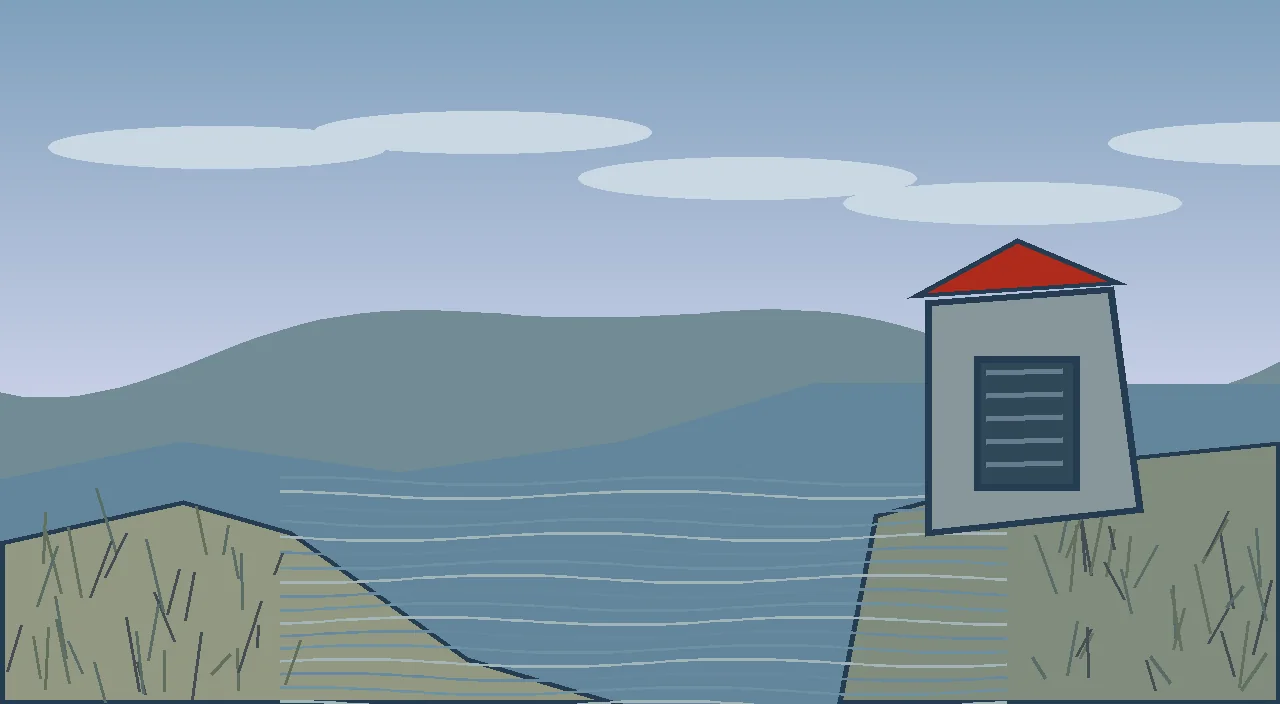
These chapters begin from a small virtual action and follow one response at a time. A first event moves by a step. Something that watches for it can react earlier or later. The last condition belongs to a separate part of the setting. Each chapter ends with an exercise that reports what the current rule does. This makes an unseen consequence easier to approach than a long set of undocumented outcomes.
Chapter one follows a signal above the reeds
A Tick at Finch Gate watches the flag and its nearby sensor. If the flag changes a virtual step earlier, the gate can send a shorter notice toward the far shutter. The first proof keeps the sensor between the action and distant result. In the play sketch choose a time for the flag and check what the recorded window allows. The larger concept identifies which part of the story the record is meant to connect.
Chapter two sends a bell cue downstream
The Belated Bell follows an audible-looking event with a written report, so the choice doesn’t depend on listening. Move the cue in the simulation and note when a following marker appeared. A distant gate can keep its normal position or report an alternate arrival based on that timing. Choose a cue in the second practice and open the complete case for the original view of the valley.
Both projects are in concept development. The chapter headings name which action and response you are about to read. The short play areas present small simplified rules. They do not predict real weather or describe any particular outside location. The current design log connects a report about a broken chain, changed notice or revised chapter link to its own game. A reader can check the earlier study after trying a newer version. The context that belongs to one chapter stays inside it until its own link leads to a related case.