
Fictional consequence puzzle in development
A Tick at Finch Gate
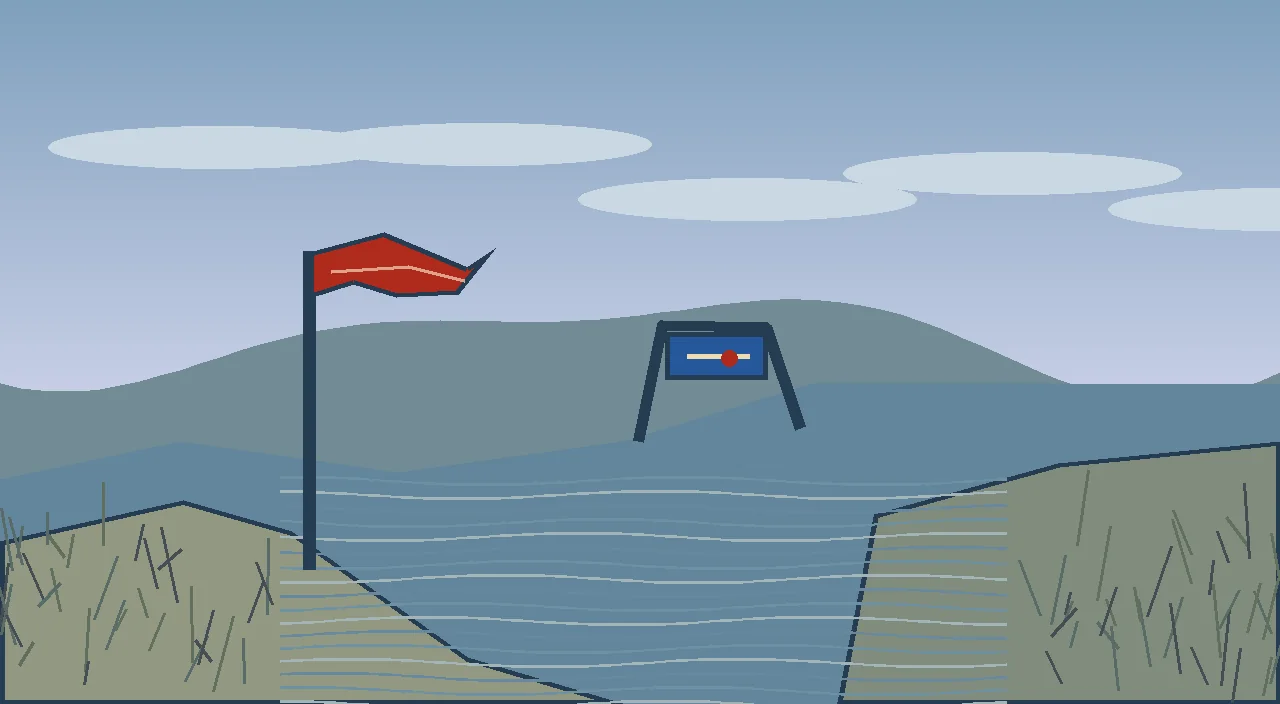
A Tick at Finch Gate begins at an invented marsh crossing. A cloth signal can lift under a small gust and put a notice into the virtual chain. A sensor after the reeds carries a reading toward a distant storm shutter. Each stage has a role in the simulation. The player can change a single input and compare what happened at each point. The case is about a known rule in an invented game world. It does not calculate actual weather.
A small change can affect a single intermediate state
Begin with the flag at its initial time. The nearby sensor checks it at one virtual step. When the signal changes one step earlier the sensor can pass its notice by a different time. The far shutter has a window during which that notice changes when it closes. The next reading can say that the shutter registered a different input. If it did not see a useful difference, the final status can stay the same while an earlier movement still occurred. The result tells which of those things the game has recorded.
An early play loop lets a player select either initial setting and review a short history. The flag line can say when it began. A sensor line says what it measured. The last row gives the shutter state at the observed point. A single score cannot preserve these separate facts very well. A two-trial comparison can keep the original timing available and put the alternative beside it. Ask somebody why one result changed and which middle value was involved. A tail end visualization can provide a broader view of the scene without introducing a new rule.
Draw the connected places as their own scenes
The art uses a blue shore lane with reed lines and a pale rust-red flag. The sensor has a quiet scale behind the board. The storm shutter is wider and placed against a dark wall. A caption can identify the stored state in each view. If a reduced-motion reader opens three illustrations, the same named events appear in order. No picture alone needs to connect the first movement and shutter as a direct jump. The middle panel supplies the reason the player can compare.
The site short exercise can present both outcomes with their sensor and shutter readings. A new pose might make the flag appear higher. If the underlying signal has the same virtual time, keep the record steady. Similarly another piece of scenery can affect how a player sees the distant building without moving when the notice entered it. Give each saved record enough context to remember which part of the test actually changed.
Keep the first chain short enough to replay
The game is in concept development. It can start with just three locations and two timing choices. Run both from the same initial sensor and shutter setting. If the player forgets which input was different, preserve the label for their actual change next to the next condition. A later study can hold the flag steady and vary when the sensor measures it. Record the old and new available window in text before adding more locations.
Read Follow the Sensor Before the Storm for the intermediate condition. The Belated Bell tests another virtual setting where two marks can be separated by a longer delay. The first concept holds the shutter open or closed with a short known rule. Its next task is making that rule readable even after the first flag leaves the screen.