
Fictional consequence puzzle in development
The Belated Bell
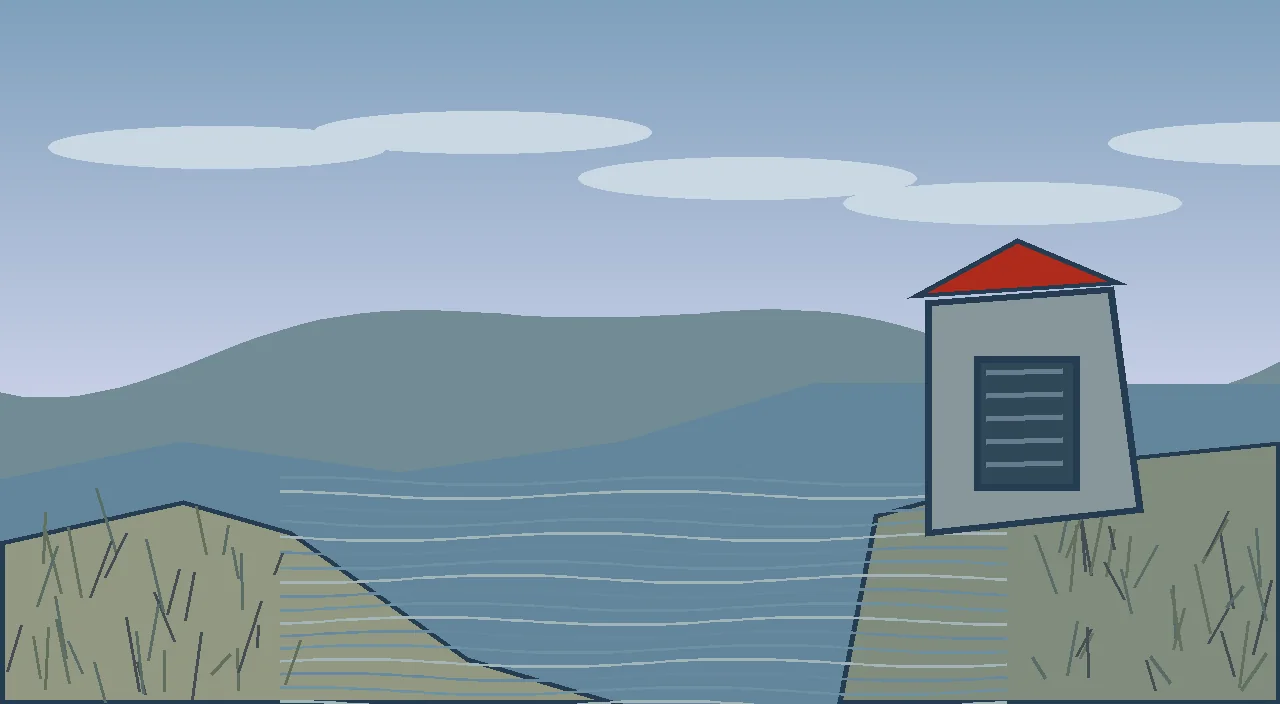
The Belated Bell takes place at a virtual channel that winds between an old signal tower and a valley gate. A bell cue affects the time at which a second marker appears. The marker’s effect can be seen beyond the next bend after a fixed delay. The player can choose an earlier cue or hold it to its usual time. The model tests how a later report carries that difference without forcing the user to guess from a view of the bell alone.
One action can have a nearby and a delayed result
Start the bell’s event on one of two virtual steps. The nearest marker receives it and publishes a time in the record. A line at the far gate may only change after another step. During that gap the result can show the moved cue and the still-pending consequence. Advance once. Then ask whether the next notice reached the gate by the expected window. Keeping the selected cue visible gives a player a reference when the final state finally appears.
A second trial can hold the bell at its original time and let the virtual gate stay with the earlier report. The model describes which marker moved and whether the far gate changed its status. A person can compare both records without listening to a real bell. Short controls name the selected time and provide a written indication of the next effect. A small sketch can pause after the nearby response so the pending condition looks intentional rather than missing.
Place the near and far record against different landmarks
The tower has a copper cap and a narrow blue window. A crescent mark at the river bend indicates the second stage. The far gate keeps an upright light panel and another visible cue. Draw the two positions from the same map and then use separate close views. Give the distant effect a line these two shorter views can share. A reader sees the nearby and delayed responses in different captions. In reduced motion, a steady print preserves the same phases.
A current report can show the bell state beside the farther result under the same trial. Use a separate label for the intermediate marker rather than making the note say the bell directly moved the gate. The map’s artwork doesn’t need to describe any actual prediction. The virtual chain belongs to the rules that the prototype uses. An archived case can state the specific wait when a future study moves when the view advances.
Compare after the delay has actually elapsed
The concept is in development. Set up one small rule where the second marker changes after an early bell. Test whether the player can identify an earlier cue and the late observation in a short readout. Compare cases before the far effect appears, then after it. If the report seems to give no effect during the wait, add a phrase saying which event is pending. Once that works, try another condition where the earlier marker changes and the final gate does not.
Read A Delay Is Still Part of the Chain for the waiting state. A Tick at Finch Gate gives a different route through a marsh sensor and shutter. The bell study makes the delay itself observable and lets a reader return to its cause without relying on a complete animation from the opening move.